website design & performance
what does website design entail?
definition: website design is building the look, branding and substance of your companies page.
definition: website design is building the look, branding and substance of your companies page.
designing a website can be a lengthy process, and if you’re unsure of your direction it can feel like a massive task.
as part of my marketing services i offer complete website design and content. Depending on your requirements this can include a full-scale rewrite or perhaps tweaks to an existing site.
as well as design i have experience in working with both html & css and can understand the complexity of building a website. see below for some examples of websites i have designed previously.
A strong website is built through a combination of structure, clarity, and purpose. Before any visual decisions are made, it is important to understand the goals of the business, the target audience, and how users will interact with the site. This planning stage is what ensures the final product is not only visually appealing but also effective in delivering results.
Good design should always support the user journey. This means creating clear navigation, consistent layouts, and content that guides users naturally through the site without confusion. Every section should have a purpose, whether it is to inform, engage, or encourage action. When these elements are considered carefully, the website becomes easier to use and more enjoyable to explore.
Alongside this, content plays a key role in shaping how a brand is perceived online. Well written copy helps communicate value clearly and strengthens the overall message of the website. Combined with thoughtful design, it creates a more cohesive and professional online presence.
By blending creative design with technical understanding, it is possible to build websites that not only look good but also perform effectively across different devices and platforms.
see below for examples of websites i have designed previously.
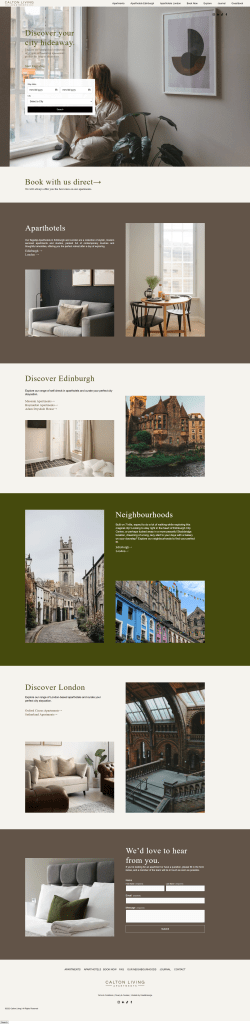

Good website design is not just about how something looks; it is about how it works. A visually strong site will grab attention, but it is the structure, flow, and functionality that determine whether a user stays, explores, and converts. Design and usability should always work together, creating an experience that feels natural, intuitive, and aligned with the purpose of the brand.
When building or improving a website, every detail matters. Layout choices, spacing, typography, and colour all play a role in how users interpret information and navigate through the pages. A clear structure helps guide users without confusion, while strong visual hierarchy ensures the most important information is seen first. These elements work together to reduce friction and improve overall engagement.
Functionality is just as important as design. A website needs to load efficiently, work across all devices, and provide a seamless experience whether it is viewed on mobile, tablet, or desktop. Technical performance directly impacts user behaviour, as slow or poorly structured websites often lead to higher drop off rates and lower engagement. This is why thoughtful planning behind the scenes is essential to support the creative side of design.
A successful website also needs to reflect the brand behind it. It should feel consistent, intentional, and recognisable from the first interaction through to the last. This is where strategy becomes just as important as aesthetics, ensuring that every design choice supports the wider goals of the business.
Ultimately, strong website design is about balance. It is the combination of creativity and technical understanding that turns a simple page into a meaningful digital experience. When design and functionality are aligned, the result is a website that not only looks professional but also performs effectively and supports long-term growth.